In 1994, the team delivered a weekly national broadcast bingo event reaching over one million players per game, with multi-million-dollar prize pools.
Building on that operational experience, the same group is now preparing a significantly larger-scale deployment, targeting materially higher player volumes and prize structures.
Additional context is provided below, including original 1994 broadcast materials and the full program for reference.
 TV Commercial for $800,000 prize. |
 Risque TV Bingo Commercial. |
 World Champion Jaromir Jagr. |
 G-Rated Family Commercial |
 Full Show with Jaromir Jagr. |
Current online and offline bingo markets exhibit several structural limitations:
- Fragmented across operators, jurisdictions, and platforms
- Prize pools are generally constrained and lack scale
- Operators compete for the same limited player spend
- Limited or inconsistent alignment with fully charitable models
- Direct competition with lotteries for player attention and funds
- Market transparency is low—players typically lack visibility into prize pools, participation levels, and key game metrics
As a result, player behavior becomes transient, with users moving between offerings in search of optimal conditions, often settling for a fragmented and suboptimal experience.
World’s Largest Bingo is based on a previously deployed broadcast-integrated model in which approximately 1.1 million players participated simultaneously in scheduled live games, with all gameplay data processed centrally in real time to ensure deterministic outcomes and accurate prize allocation at scale.
The current architecture extends that model into a globally accessible, network-based system. Planned integrations include physical distribution partners (e.g., bingo halls and lottery retail points), mobile devices, real-time voice communication, and social-sharing layers, alongside an independent charitable foundation operating at arm’s length.
These components converge into a unified game environment, where all participation feeds into a single global game cycle operating at fixed intervals, enabling aggregated liquidity and correspondingly larger prize pools.
Bingo remains one of the most widely adopted and socially accepted forms of gaming globally.
Lottery and bingo together generated over $340 billion in global revenue in 2025, representing the largest segment of the gaming market.
In parallel, the online bingo segment continues to expand, supported by mobile adoption and digital payments, with the broader online bingo and related gambling markets measured in the tens of billions and growing at strong rates globally.
The sector spans land-based venues, online platforms, casino integrations, and lottery-linked formats, with participation distributed across both physical and digital channels.
Low Entry Fee – $0.01 per game card, enabling broad global accessibility.
Ticket Cost from Velocidata – 10% of gross sales per game card.
Prize Structure – Algorithms are designed to accumulate and release prizes on a controlled and repeatable basis.
Industry Context – The broader digital gaming and lottery-adjacent sectors continue to expand, driven by mobile adoption and global connectivity.
Operating Model – Primarily digital infrastructure with low marginal cost per additional player.
Distribution – Combination of direct channels, affiliates, and member-driven growth.
Scale – Model supports high-volume transaction flow with linear revenue characteristics.
Management – Led by a team with prior experience operating large-scale bingo systems.
Market Reach – Accessible to billions of web and mobile users, in addition to existing land-based bingo participants.
Acceptability – Bingo maintains broad cultural acceptance, including within charitable and community environments.
Technology – Accessible via standard mobile devices and web-enabled systems.
Offline Compatibility – Participation does not require real-time play; tickets can be purchased independently through online or retail channels.
Charitable Integration – Supports affiliate participation and structured charitable engagement.
Tax Structure – Operations and distributions are structured through international entities and applicable trust frameworks.
Regulatory Approach – Operated under applicable licenses directly or via local partners, depending on jurisdiction.
World’s Largest Bingo is led by a team with prior experience operating large-scale, real-time bingo systems in a live broadcast environment, including games with over one million concurrent participants.
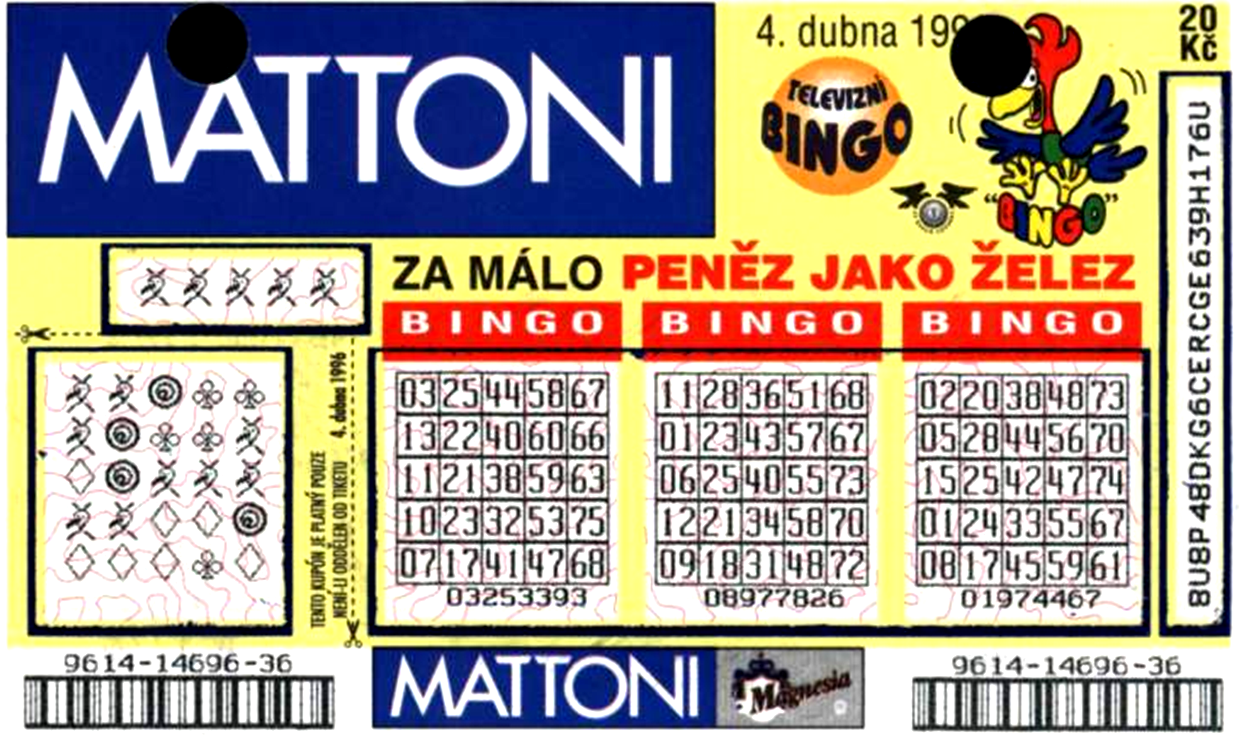
In 1994, the team deployed a national-scale system in Prague, Czech Republic, establishing approximately 10,000 physical distribution points and achieving immediate commercial activity upon launch.
Since that time, team members have been involved in both land-based and digital lottery and gaming systems across multiple jurisdictions, contributing operational, technical, and distribution experience relevant to large-scale implementations.
 |
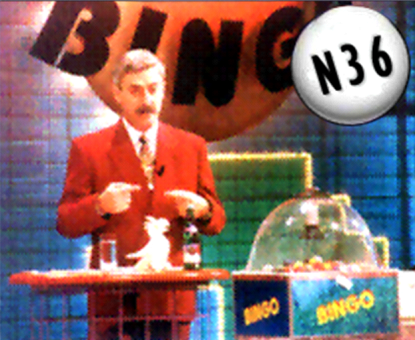
Televizni Bingo, Prague, Czech Republic: A nationally broadcast bingo program aired on TV Nova between 1994–1996, developed and operated by members of the World’s Largest Bingo team. |
|
During its operation, the system generated approximately $84 million in gross sales, distributed $44 million in prizes, and produced approximately $15 million in profit within a market of roughly 10 million potential participants. |
 |
 |
The current system builds on this prior implementation, extending the model through internet-based distribution, mobile access, and integration with physical retail channels such as lottery outlets, bingo halls, and casinos. |
The bingo market includes thousands of online platforms, alongside a large number of land-based bingo halls and lottery operators across multiple jurisdictions.
World’s Largest Bingo is structured to integrate with elements of the existing ecosystem through partnerships and distribution relationships, rather than relying solely on direct competition.
Across both online and offline formats, the established market has contributed to player familiarity, regulatory frameworks, and widespread acceptance of bingo as a form of participation.
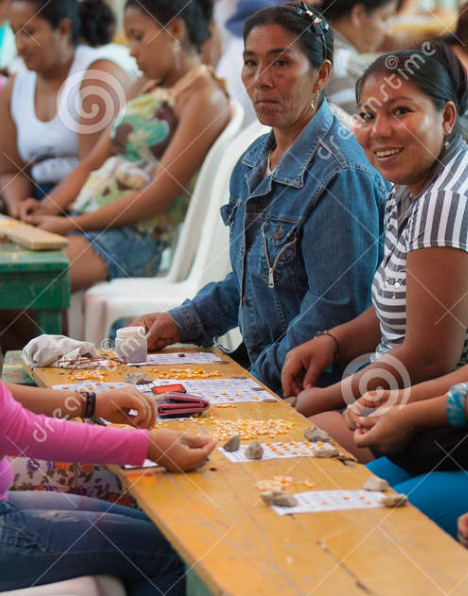
Bingo remains one of the most widely participated gaming formats globally, with a large and recurring player base across both land-based and digital environments.


|
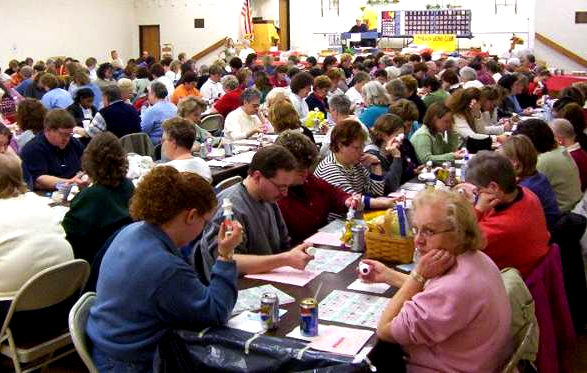
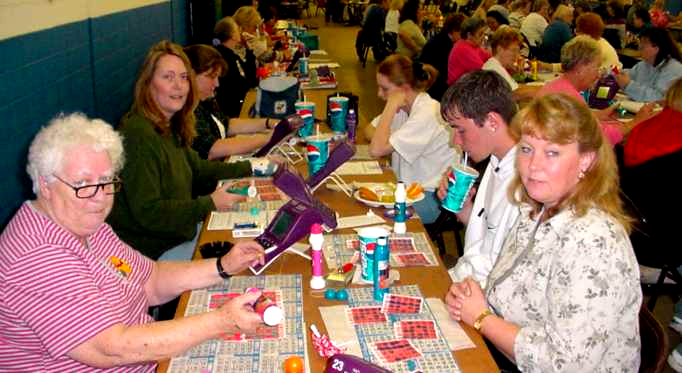
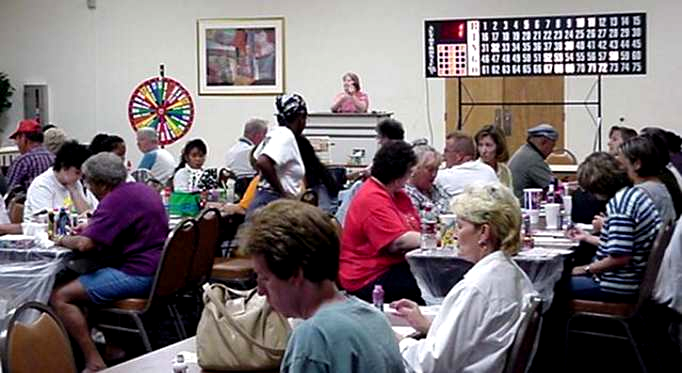
Charitable AlignmentBingo has historically been used as a fundraising mechanism by charitable organizations. The model supports structured contributions to independent foundations for distribution to approved causes. Institutional UseChurches and community organizations have long utilized bingo as a recurring fundraising activity, reinforcing its broad social acceptance. AccessibilityBingo requires no specialized skills, making it accessible across a wide demographic. Digital distribution enables participation via mobile devices and web platforms without geographic constraints. Global ParticipationThe format is not limited by cultural, geographic, or demographic factors, supporting participation across diverse markets and regions. |

|
Aggregated Prize PoolsA single global game structure enables pooled participation, supporting materially larger prize levels on a recurring basis. |

|
Low Cost of EntryEntry pricing at $0.01 per game card allows broad accessibility across multiple markets and demographics. |

|
Low Friction OnboardingAccount structures are designed to enable straightforward participation without complex setup or transition requirements. |

|
Charitable IntegrationA portion of activity can be directed toward charitable initiatives through structured allocation mechanisms. |
|
Retail IntegrationTicket distribution can extend through lottery kiosks, bingo halls, and casino partners. |
 |
Flexible ParticipationPlayers may engage in real time or participate passively, similar to lottery-style ticket validation. |
|
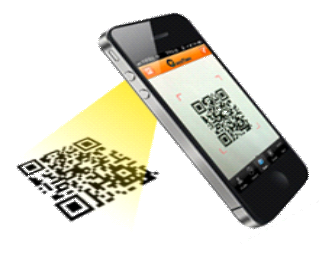
Physical-Digital IntegrationRetail-issued tickets can be linked to mobile or web interfaces for tracking and participation. |
|
Localized DistributionLocal partners support payment methods, redemption, and market-specific adaptation. |
|
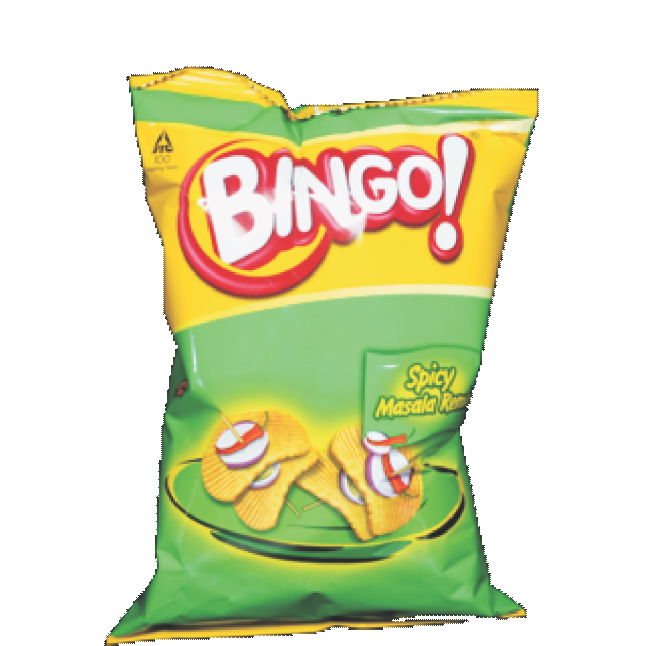
Promotional DistributionTicket access can be extended through third-party promotions and packaged goods distribution. |
|
|
The timing is driven by a combination of infrastructure maturity, payment accessibility, and established player familiarity with the format.
Internet access is now widely available through mobile, fiber, satellite, and other networks, enabling participation across most populated regions without geographic dependency.
A broad range of funding methods now exist beyond traditional card networks, including prepaid cash systems, bank transfers, mobile payments, and digital wallets.
Globally, hundreds of thousands of retail locations support cash-based top-ups, while mobile payment systems have become standard in many regions. Digital payment platforms and alternative methods further expand access across jurisdictions.
Integration with land-based partners enables additional funding options through local bingo halls, lottery kiosks, and retail locations using cash or debit methods.
Bingo is already widely understood across markets through land-based play, television formats, online platforms, and lottery integrations.
The requirement is not education, but aggregation—bringing existing players into a unified system.
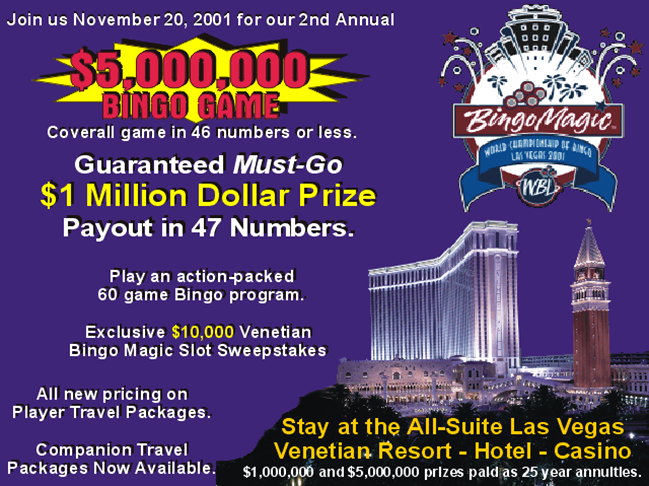
Participation is not limited to a single channel and can occur across multiple formats:
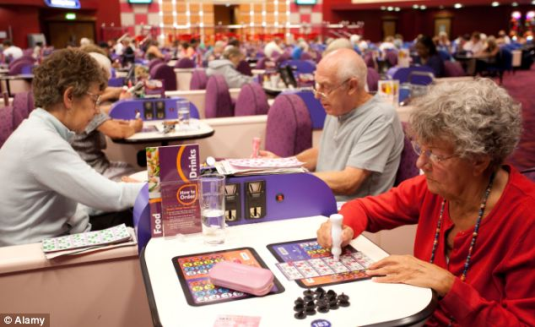 |
Retail Play via printed tickets at licensed bingo halls, casinos, and authorized locations. |
 |
Electronic Terminals in land-based venues including halls, casinos, and hospitality locations. |
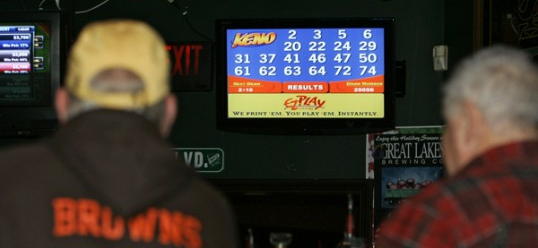 |
Local Retail Extensions through restaurants, pubs, and other permitted environments. |
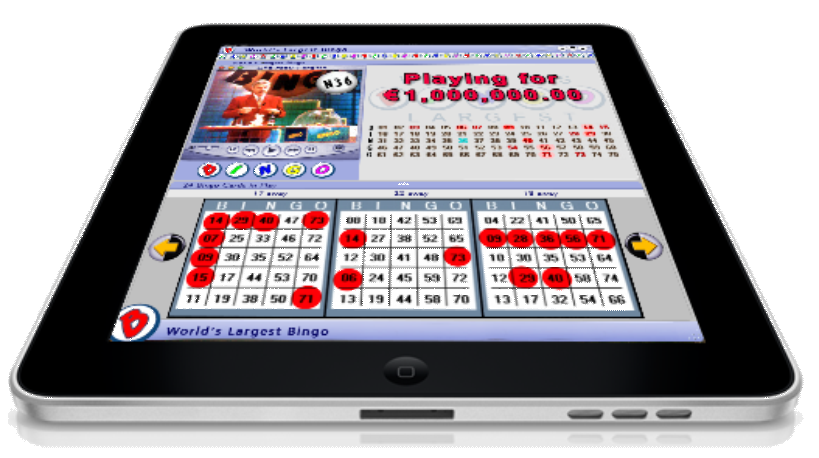 |
Mobile and Tablet participation via web-based or application interfaces, with optional real-time or passive play. |
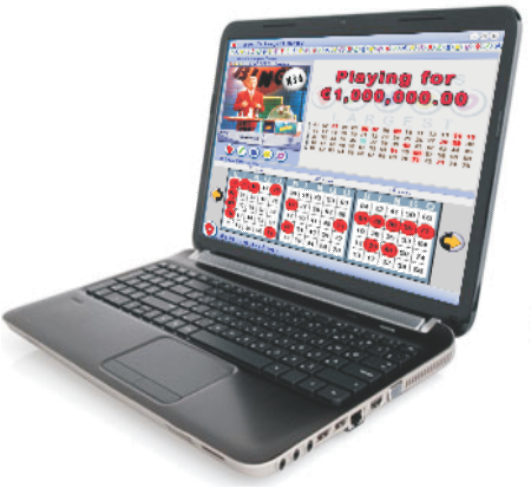 |
Desktop Access with integrated communication features supporting real-time interaction. |
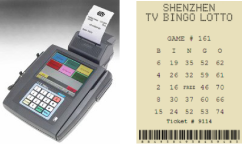 |
Lottery-Style Participation through ticket purchase and later result validation. |
Historically, bingo and lottery systems have operated in fragmented, jurisdiction-specific formats. Broader aggregation models have emerged in adjacent sectors to increase scale and prize size.
The current model applies similar aggregation principles while enabling participation through independent distribution partners.
The system architecture for World’s Largest Bingo is derived from a previously deployed real-time broadcast model, updated and extended for modern distributed environments.
Over time, the specifications have evolved to incorporate current infrastructure capabilities, including mobile access, global networking, and scalable processing.
The platform is designed around a centralized ticket-generation and validation system, with controlled distribution and deterministic outcome processing.
Advances in mobile devices, global connectivity, payment systems, and cloud infrastructure now enable large-scale, continuous operation across multiple regions.
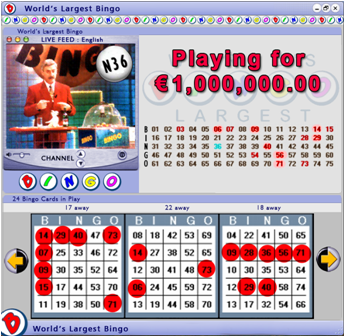
The architecture follows a cloud-based, client-server model, allowing deployment flexibility, including regional infrastructure where required by licensing or regulatory considerations.
Partner systems interface with core services for ticket acquisition, result validation, and prize processing through secure connections.
Traffic is distributed geographically, enabling users to connect to proximate infrastructure for latency and performance optimization.
The system is designed for continuous operation with real-time processing of ticket data, player participation, and outcome determination.
The user interface is delivered via responsive web technologies, enabling compatibility across mobile devices, tablets, and desktop systems without reliance on platform-specific applications.
This approach reduces dependency on third-party app distribution channels and minimizes ongoing maintenance across multiple operating systems.
 Integration with notification and delivery systems enables real-time alerts, session continuity, and controlled access to gameplay interfaces.
The system supports both active participation and passive ticket tracking, with automated notification of results where applicable.
Notes:
Figures represent aggregated industry estimates across bingo, charitable gaming, and related lottery-style formats. Exact values vary by jurisdiction and reporting methodology.
WLB: Uses a physical draw system integrated with automated capture and live broadcast, enabling real-time number generation and distribution.
Others: Often rely on pre-generated or software-based number sequences distributed to players.
WLB: Structured to support allocations across operations, partners, and charitable components.
Others: Typically retained within operator or government-controlled models.
WLB: Supports independent distribution through partner sites and referral-based channels with low setup friction.
Others: Access and participation models vary, often requiring licensing, fees, or centralized control.
WLB: Single aggregated global game, concentrating all participation into one cycle.
Others: Multiple rooms or fragmented games with distributed player pools.
WLB: Prize pools scale based on aggregated participation, with structured mechanisms governing distribution.
Others: Prize sizes vary by room or operator, typically limited by smaller player pools.
WLB: Developed by a team with prior experience in large-scale, real-time bingo systems.
Others: Operator experience varies widely across platforms.
WLB: Designed to integrate with existing operators and distribution channels.
Others: Primarily operate as standalone or competitive platforms.
Low Cost to Play – $0.01 per game card, enabling broad accessibility across markets.
Prize Structure – Algorithms govern accumulation and distribution of prize pools on a controlled and repeatable basis.
Game Frequency – Continuous game cycles operating at fixed intervals.
Industry Context – Digital gaming and lottery-adjacent sectors continue to expand globally, supported by mobile and payment infrastructure.
Operating Model – Primarily digital infrastructure with low marginal cost per additional transaction.
Distribution – Combination of direct access, partner networks, and affiliate-driven channels.
Scalability – Transaction volume and revenue scale with participation levels.
Management – Led by a team with prior experience in large-scale bingo and gaming systems.
Partner Integration – Structured to work alongside existing operators and distribution channels.
Market Reach – Accessible to global web and mobile users, in addition to existing land-based participants.
Acceptability – Historically aligned with charitable and community-based fundraising models.
Technology – Supports mobile, web, retail-issued tickets, and integrated terminal systems.
Offline Compatibility – Ticket purchase and participation can occur independently of real-time gameplay.
Tax Structure – Operations structured through tax-efficient jurisdictions.
Regulatory Approach – Operates under applicable licenses directly or through local partners.
The following outlines the primary channels and methods for distribution and user acquisition.
Bingo has historically been associated with charitable fundraising. The model includes a structured foundation component responsible for allocating funds to approved charitable and social-good initiatives, including smaller, individual-led efforts.
 |
Individuals supporting local causes (e.g., animal care, community assistance) may apply for funding by submitting supporting information, including descriptions, documentation, and references for review. |
 |
Approved applicants may receive periodic funding through controlled disbursement methods, subject to verification and ongoing eligibility. |
 |
Use of funds may be monitored to ensure alignment with the stated purpose, with continuation dependent on adherence to program criteria. |
 |
Approved recipients may be listed within the platform, allowing users to direct charitable allocations. Eligible organizations or individuals may also participate in distribution programs aligned with the broader network. |
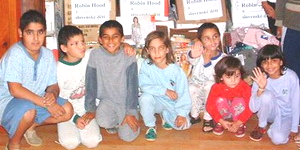
The charitable framework is intended to support direct-impact initiatives, including projects that can be structured, operated, and monitored with defined outcomes.
 |
Children |
 |
Seniors |
 |
Program Concept |
A notification-based system designed to rapidly distribute alerts for missing children, seniors, pets, or property. Users can submit basic information via mobile or web, triggering immediate localized alerts to other participants.
World’s Largest Bingo supports FindMy.Foundation through funding initiatives and infrastructure support.
Click on FindMy.Foundation for more information.
FIND
|
Find My Child |
FIND
|
Find My Senior |
 |
Find My Pet |
FIND
|
Find My Stuff |
This section provides periodic updates on development, partnerships, and operational readiness.
2026-04-01 : Platform updates and infrastructure refinements ongoing in preparation for scaled deployment.
2025-10-15 : Continued expansion of payment integrations, including mobile, bank transfer, and alternative payment methods across multiple regions.
2025-06-30 : Ongoing discussions with regional partners regarding licensing, distribution, and localized operations.
2024-12-01 : System architecture enhancements completed to support high-frequency global gameplay and increased transaction volumes.
2024-06-01 : Expansion of partner network across land-based and digital distribution channels.
2023-01-01 : Initial rollout of updated platform components and integration testing across multiple environments.
Bingo has historically been used as a promotional mechanism by consumer brands across multiple markets, enabling product-linked engagement and repeat interaction.
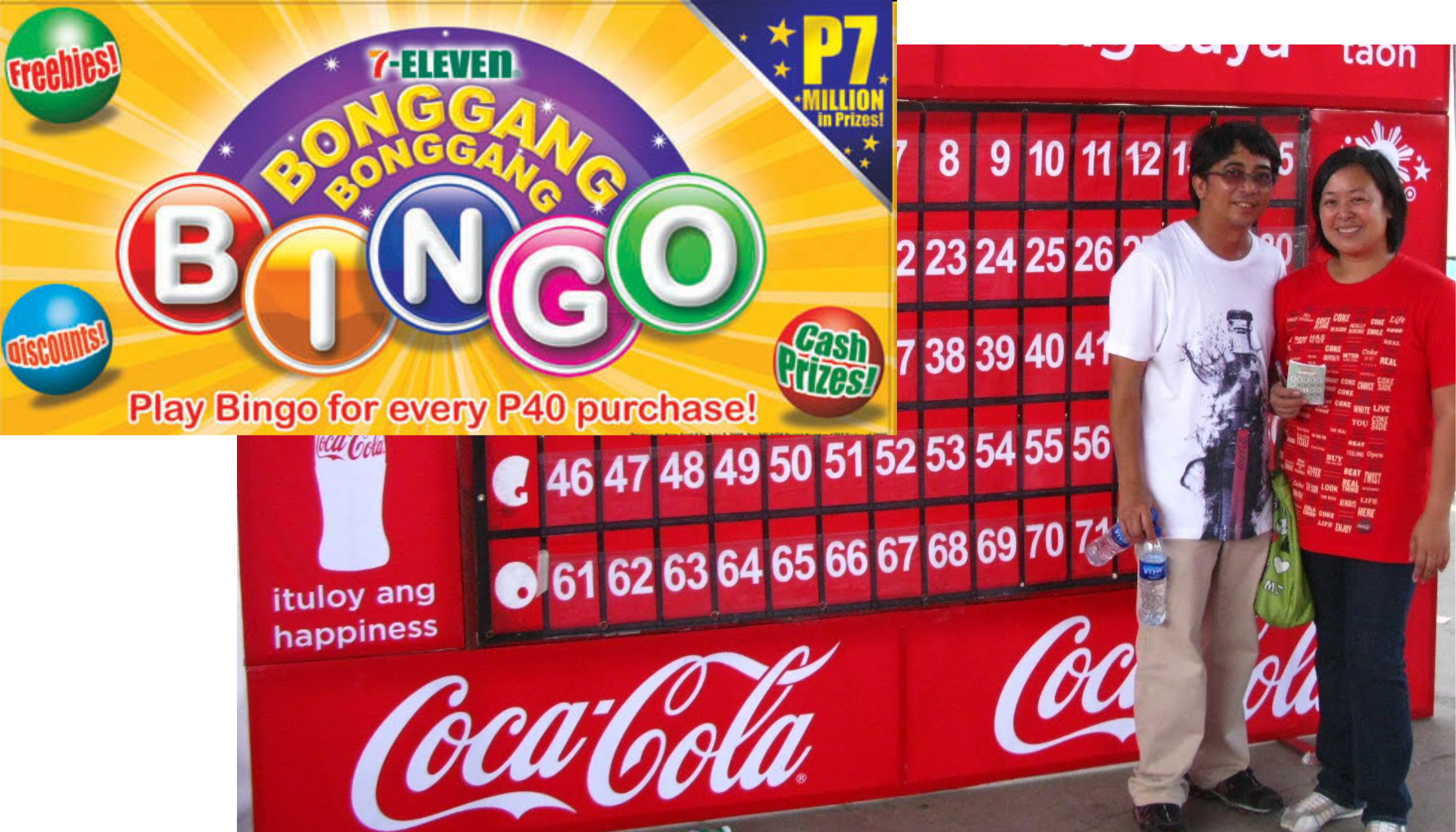
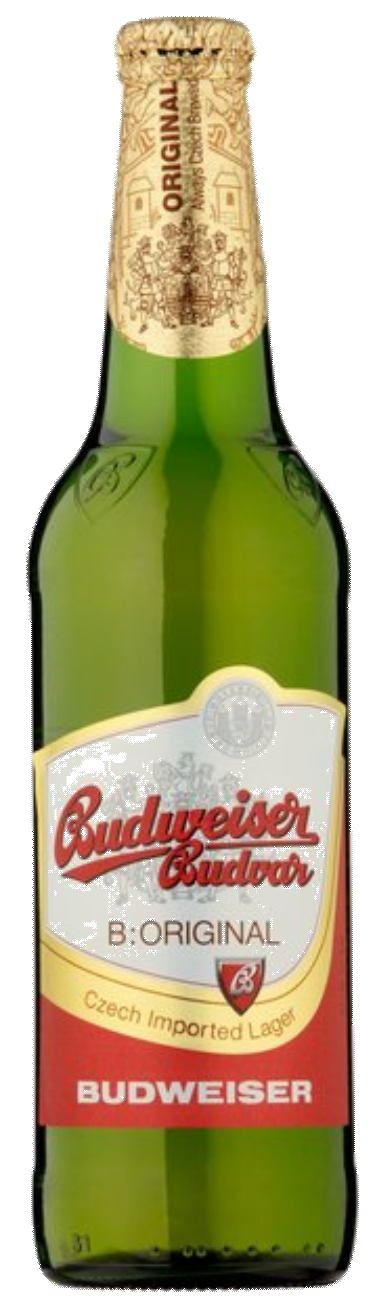
The system supports integration of promotional codes distributed through physical products or digital channels. These codes can be redeemed for participation in standard game cycles.
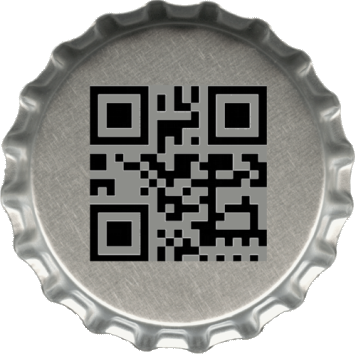
Distribution formats may include packaging inserts, printed codes, QR-enabled labels, or other product-linked delivery methods tied to consumer purchases.
Game participation occurs within the standard cycle structure, maintaining consistency across promotional and direct-entry players.
This structure links product interaction with immediate or near-term gameplay participation, reinforcing engagement through repeat purchase behavior.
Low Unit Cost – Promotional codes can be issued at low per-unit cost relative to traditional campaign structures.
Marketing Allocation – Typically aligned with standard advertising or promotional budgets.
Game Integration – Codes redeem into standard game participation rather than isolated promotional draws.
Aggregated Prize Pools – Prize structures are based on total participation rather than campaign-specific pools.
Continuous Cycles – Recurring game intervals support frequent engagement opportunities.
Repeat Interaction – Single-use codes encourage ongoing product interaction.
Prize Liability – Prize funding is centralized within the core system rather than borne by the promotional partner.
Redemption-Based Costing – Costs can be structured around redeemed codes rather than distributed volume.
Tracking – Redemption activity can be tracked and reported.
Exclusivity Options – Promotional arrangements may be structured by region or product category.
Affiliate Continuity – Users acquired through promotions may remain associated with the originating partner.
Revenue Participation – Structures may include ongoing participation in downstream activity.

Direct Outreach – Targeted delivery mechanisms can support location-based or event-driven promotional distribution.
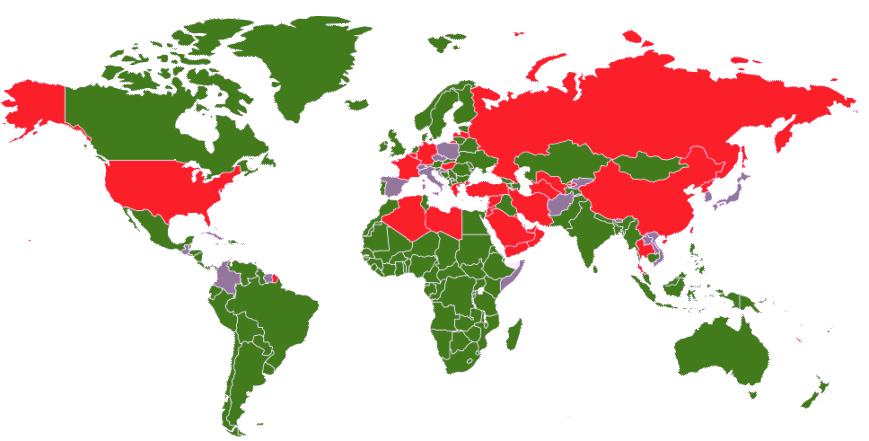
Illustrative map of jurisdictions with varying regulatory approaches to online gaming. Status varies by country and is subject to change.
The rollout strategy is structured to prioritize accessible markets while progressing through regulated jurisdictions over time.
Initial deployment targets regions where online gaming frameworks are permissive or undefined, representing a combined population in the billions.
In parallel, operations can extend into jurisdictions that recognize international licensing frameworks, enabling earlier market entry.
Subsequent phases focus on obtaining local licenses in regulated markets through direct applications or partnerships.
| Phase | Region | Population (Approx.) |
| 1 | Africa | 1,400,000,000 |
| 2 | Central America | 50,000,000 |
| 3 | South America | 440,000,000 |
| 4 | Selective Europe | 50,000,000+ |
| 5 | Oceania | 45,000,000 |
| 6 | Selective Asia | 2,000,000,000+ |
| Phase | Country | Population (Approx.) |
| 1 | Argentina | 46,000,000 |
| 2 | United Kingdom | 67,000,000 |
| 3 | Brazil | 215,000,000 |
| 4 | China* | 1,400,000,000+ |
World’s Largest Bingo is structured around cooperation with existing operators for the following reasons:
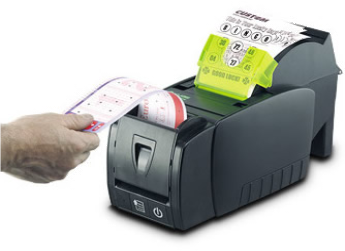
|
Land-Based Lottery Partners: Integration with lottery operators enables distribution through existing retail networks, including kiosks and authorized agents. Players can purchase tickets using familiar payment methods and environments, while maintaining access to online participation. Prize redemption can occur through established payout channels, including retail locations. |
|
Bingo Halls and Casinos: Existing venues can extend their offerings by incorporating a synchronized global game alongside local operations. This allows operators to increase engagement and revenue without altering their core business model. Players retain the option to participate both in-venue and remotely. |
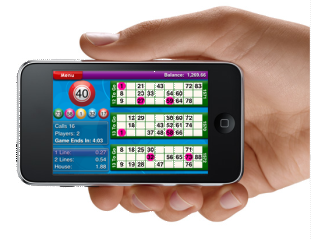
|
Web and Mobile Partners: Digital operators can integrate ticket purchase, gameplay, and prize handling directly into their platforms. This enables seamless user experience while leveraging existing traffic, payment systems, and account structures. |
Contact: info@WorldsLargestBingo.com
You acknowledge that the content of this document is for general informational purposes only and is not intended to constitute an offer to sell or buy any securities or promise to undertake or solicit business and may not be relied upon in connection with any offer or sale of securities or other instruments. An offer or solicitation will be made only through a final private placement memorandum, purchase agreement and other related documents with respect to a particular investment opportunity and will be subject to the terms and conditions contained in such documents, including the qualifications necessary to become an investor or purchaser.